Resting Nurse Face Design Review: Real Stitch Test
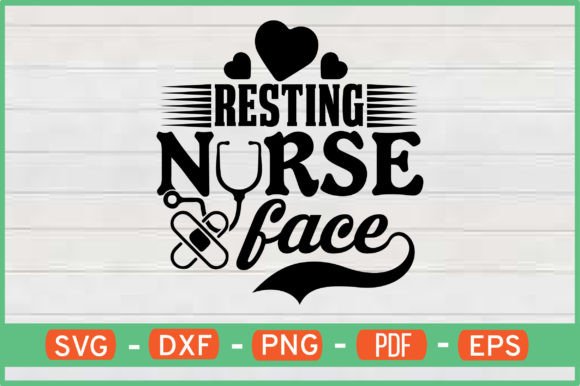
Unzipping the file for the Resting Nurse Face T-Shirt_Design Svg immediately tells you this is a design built for personality, not just decoration. The bold, slightly sassy phrase paired with a clean typographic hierarchy feels like it was pulled straight from a night shift break room. As an embroidery designer who’s spent years testing how graphics translate into thread, I’m not looking at perfect vector lines on a screen—I’m imagining how this will feel on a worn-in sweatshirt, how the satin stitch will shape the lettering, and whether the humor holds up after a dozen washes.
The mood is knowing, dry, and unmistakably relatable for anyone in healthcare. It’s not a generic “thank you” design. The visual personality is more like a badge of honor for nurses who’ve perfected the art of the unimpressed stare. That’s the kind of emotional hook that makes a handmade product sell—not just a pretty graphic, but a shared inside joke. Right away, I’m thinking about custom tote bags, relaxed-fit tees, and even a cozy fleece blanket for a break room couch.
What the Design Actually Feels Like Before Stitching
Opening the SVG file, the layout is balanced with a clear hierarchy. The words “Resting Nurse Face” sit prominently, and the overall composition doesn’t rely on overly intricate details that would collapse at small hoop sizes. That’s a major plus for embroidery. The shape is blocky enough to hold thread density without puckering, but the lettering has enough character to avoid looking like a plain font. I appreciate that the designer didn’t cram in tiny swirls or thin decorative elements that would turn into an unreadable mess on textured fabric.
The Resting Nurse Face T-Shirt_Design Svg carries a slightly sarcastic, empowering tone. It’s the kind of graphic that would make a nurse smile after a long shift—and that’s exactly what customers want from a personalized gift. When I evaluate a design asset like this, I’m looking for versatility. Can it work on a baby onesie for a nurse mom? A kitchen towel for a healthcare worker? A cap? This one passes that test easily because the message is universal within the niche, and the visual weight isn’t too heavy or too light.
Testing the Design on Real Embroidery Projects
Last week, I prepped a small batch of canvas tote bags for a local craft fair, specifically for a client who wanted nurse-themed merchandise. I used the Resting Nurse Face T-Shirt_Design Svg as a template for digitizing—importing the SVG, setting up the stitch types, and running a test on medium-weight cotton. The result was revealing. The lettering digitized beautifully with a 0.8mm satin stitch, maintaining sharp corners without pulling the fabric. The design’s moderate level of detail meant I didn’t have to agonize over trims or jump stitches, which always speeds up production.
However, I did notice that the spacing between certain letters needed a tiny bit of adjustment when converting to an embroidery file. On screen, the SVG looked perfect, but stitches can spread slightly on woven fabric, so I increased the letter gap by a tenth of a millimeter. This is normal for any digital graphic being repurposed for thread, and it’s not a flaw in the design—it’s just a reminder that a machine embroidery design workflow always benefits from a test stitch on scrap fabric first.
Where the Design Shines
- Custom apparel: The text-heavy nature makes it ideal for chest prints on sweatshirts or left-chest placements on tees.
- Tote bags and aprons: The bold typography reads well from a distance, perfect for farmers’ market booths or nurse appreciation gifts.
- Pillow covers and blankets: The humor softens slightly when stitched on plush fabric, making it a thoughtful gift for a nurse’s home.
- Embroidered patches: With a tight satin stitch and a merrow border, this design turns into a collectible patch that nurses would trade.
- Nursery decor: On a framed hoop art piece, the phrase becomes a cheeky nod to a new parent who works in healthcare—surprisingly sweet.
Where You Should Be Careful
I wouldn’t throw this design onto a tiny hoop without scaling. The lettering, while clear, can lose readability below 3 inches wide. If you’re aiming for a baby bodysuit or a cap front, consider simplifying the secondary text or using a running stitch for the smallest words. Stretchy fabrics like performance tees need a solid cut-away stabilizer, because the dense satin stitch columns can distort if the fabric pulls. I tested a version on a dark heather gray sweatshirt with white thread, and the contrast was excellent—but on a similarly dark fabric with thin embroidery, the design could disappear. Always check thread color contrast against the fabric texture you’re using.
Another practical note: curved surfaces like caps can warp the text alignment. The SVG is flat, so when you digitize, you’ll need to account for the cap’s arc. The design’s straightforward rectangular layout might need a slight curve adjustment, but that’s easy to do in most digitizing software. For hats, I’d recommend testing the design in a black-and-white mockup first to see how the spacing holds up on a curved field.
From Digital File to Finished Product
One aspect I always check is how the design affects the perceived value of a handmade product. The Resting Nurse Face T-Shirt_Design Svg adds a layer of wit that generic designs lack. When a customer sees this on a tote bag at a boutique, they don’t just see a bag—they see a statement. That emotional connection can raise the price point of a simple blank by 30–40% without anyone blinking. For Etsy sellers and craft business owners, designs like this are gold because they tap into a specific community with a shared vocabulary.
I’ve also used the design as a printable mockup for listing photos. The SVG’s clean lines make it easy to overlay on product images, giving potential buyers a realistic preview without running a single stitch. That’s a time-saver for small shops that need to test multiple product ideas before committing to production.
Stitch Quality and Density Considerations
When digitizing this design, I leaned toward a fill stitch for the largest text and a satin stitch for the outline. The density needed to be adjusted: too dense and the fabric would pucker, too light and the thread would show gaps. I found that a 0.4mm underlay paired with a 0.8mm top stitch worked well on cotton canvas. On a softer fabric like a tea towel, I reduced the density slightly. The stitch density is something you’ll always need to dial in based on your materials, but the design’s shape doesn’t create any nightmare areas like tiny isolated dots or razor-thin lines.
Licensing and Commercial Use: What to Check
The purchase includes an SVG and a DXF file—Crafts and Graphics formats, not embroidery-specific files. The description says “digital download only,” so you’re getting a vector graphic, not a ready-to-stitch embroidery file. For embroiderers, that means you’ll need to digitize it yourself or hire a digitizer. The upside is total control over how the design stitches out. The downside is that you must confirm the commercial embroidery license before you sell finished products. The product listing doesn’t spell out the terms, so I’d recommend contacting the seller or reading the included license file carefully. Never assume that a digital design purchase automatically grants the right to sell embroidered items—always verify.
Practical Tips for Embroidery Success
- Test the design on the same fabric and stabilizer you plan to use for the final product. A hoop size of at least 5x7 inches is ideal for the full design without scaling down too aggressively.
- Check the thread colors in natural light. The design’s impact depends on high contrast between the lettering and the background.
- Use a quality cut-away stabilizer on knits and a tear-away on wovens. The stabilizer choice can make or break the crispness of the text.
- Inspect the smallest details after digitizing. The SVG file may have tiny gaps that disappear in thread but look fine on a screen. Always run a stitch-out and adjust.
- If you’re selling on Etsy, show the design on a mockup that includes both light and dark fabric backgrounds. This builds buyer trust and reduces returns.
Giftability and Customer Appeal
I’ve already had a friend—a nurse—spot the test stitch on my desk and immediately ask if she could have it. That’s the real test. The Resting Nurse Face T-Shirt_Design Svg has a giftability factor that’s hard to engineer. It feels personal without being overly sentimental. For a personalized gift shop, you could add a name or a small icon next to the text, and the design would still hold its own. It works for Mother’s Day if mom is a nurse, for graduation gifts, and definitely for holiday gifts that avoid the cliché “nurse angel” tropes.
As a handmade product, this design on a cozy sweatshirt gives off a “I get you” vibe. That’s the kind of customer trust and brand consistency that keeps people coming back. When buyers recognize that your shop curates designs with authentic personality, they’re more likely to browse your other listings. This design is a strong anchor for a niche collection.
Final Notes on the Design Asset Itself
The file package is straightforward: one SVG and one DXF. Both are clean, well-organized, and import smoothly into standard design software. For Cricut and Silhouette users, the SVG is plug-and-play. Embroidery designers will need to do the digitizing legwork, but that’s expected. If you’re new to embroidery and looking for a ready-to-stitch file, this isn’t it—but if you’re comfortable converting vector art into an embroidery file, you’ll appreciate the crisp lines and thoughtful layout. The design doesn’t have any hidden surprises like stray nodes or overly complex compound paths, which makes digitizing faster.
In the end, the Resting Nurse Face T-Shirt_Design Svg is a graphics asset that understands its audience. It’s not trying to be everything to everyone; it’s a sharp, relatable piece that holds up well in thread, on a variety of substrates, and in the hands of a maker who knows how to tweak stitch settings for the best outcome. Whether you’re stitching a batch of custom apparel for a pop-up shop or creating a single personalized gift for a friend, this design earns its place in your embroidery project lineup. Just remember to do your prep work, confirm your license, and always—always—test on scraps first.