Real-World Review of the "I'm the Nurse Sorry Not Sorry" Design
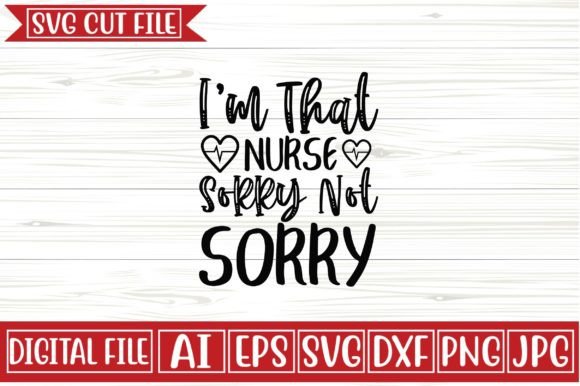
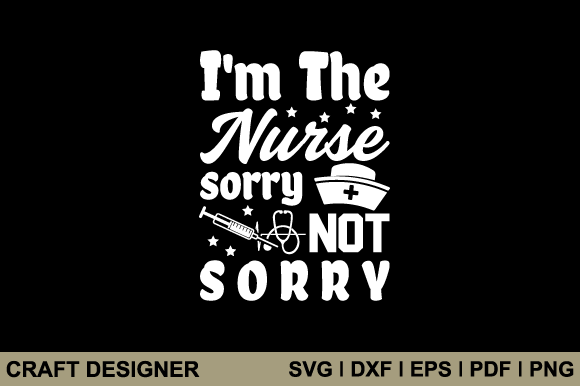
As a designer who regularly turns digital files into stitched projects, my first look at the "I'm the Nurse Sorry Not Sorry" SVG file brings a smile. It’s a confident, playful statement with a personality that’s immediately clear. The layout feels bold and straightforward, a perfect blend of professional pride and lighthearted humor. This isn’t a delicate, intricate piece—it’s a declarative statement meant to be read and appreciated. For embroidery, that means we’re looking at a design built around clean shapes and text, which is excellent news for stitch clarity and production time.
The Perfect Project Match: Where This Design Thrives
Imagine you’re preparing a custom order for a nurse who just finished a tough shift, or creating a gift for a nursing student graduating. This design naturally lands on items where the message can be worn or displayed with pride. I immediately picture it on the chest of a cozy sweatshirt, stitched onto a durable canvas tote bag for work, or as a standout patch on a backpack. It would also be a wonderful, personalized touch on a kitchen apron or a tea towel in a nurse’s home. The mood is celebratory and resilient, making it ideal for gifts—from holiday presents to "just because" appreciation items for those in the medical field.
For small business owners and Etsy sellers, this file offers strong potential. It could anchor a line of nurse-themed merchandise: embroidered caps, pillow covers for a lounge room, or even simple embroidery on a blanket. The design’s clear personality helps products tell a story, which enhances handmade presentation and buyer engagement. Customers looking for a gift with a specific sentiment will recognize and connect with it instantly.
Navigating the Stitching Details: A Designer's Practical Notes
In a real embroidery situation, the success of "I'm the Nurse Sorry Not Sorry" hinges on handling its text and shape cleanly. Because it’s provided in multiple formats—SVG, DXF, EPS, PDF, PNG—you have flexibility for different software and machines. This is crucial. Always extract the zip folder first, as instructed, and open the vector files (like SVG or EPS) to examine the paths. Clean vector art typically translates to cleaner stitch paths.
For apparel, like t-shirts or sweatshirts, use a good stabilizer, especially on stretchy fabric. The design’s bold nature means satin stitches for text and likely fill stitches for the main shape will work well, but stitch density must be appropriate to avoid stiffness on lightweight garments. On a tote bag or apron, you have more freedom with density. Always, test on scrap fabric first. Match your thread colors carefully; high contrast against the fabric background (white thread on a dark navy sweatshirt, for example) will make the message pop.
Consider hoop size. This isn’t a tiny design—it’s a statement. You’ll want a hoop large enough to accommodate the full width comfortably, ensuring none of the lettering gets cramped at the edges. For curved surfaces like caps, pay extra attention to the layout orientation during digitizing to ensure it sits correctly on the curved panel.
Where to Exercise Caution: Making It Work Every Time
While versatile, some applications require a thoughtful approach. If you’re considering very small hoop sizes, the lettering might lose clarity—scale it up, not down. On textured fabrics like some blankets, the stitch definition for smaller details could soften; a slightly simplified version might be better. Thin fabrics can be challenged by dense stitch areas, so adjust your digitizing settings if needed.
For products destined for frequent washing, like baby clothes (though this design is more for adult appreciation), ensure your stitch construction is durable and threads are high-quality. Also, on dark fabric backgrounds, remember that the design’s internal details need to be translated with thread colors that stand out—don’t rely on the digital file’s appearance alone.
From File to Finished Product: Impact on Your Craft Business
Using "I'm the Nurse Sorry Not Sorry" SVG file for commercial embroidery or handmade products adds value through its specific appeal. It targets a recognizable and appreciative audience, which builds customer trust when your product accurately reflects that sentiment. For creative entrepreneurs, it’s a ready-made design asset that can speed up product development for a niche market.
Before selling finished items, confirm the licensing terms for this graphics file. The description notes it is "specially made," but always verify the specifics regarding commercial use. This is a fundamental step for Etsy sellers and small shop owners to ensure professionalism and brand consistency.
For presentation, use the included PNG file to create printable mockups for your online listings. Showing the design on a mockup sweatshirt or tote bag helps buyers visualize the embroidered finished product, boosting engagement.
The Final Verdict for Hands-On Makers
This design file passes the practical test for embroidery projects. Its strong, simple visual personality translates well into stitches, and it fits a range of products that resonate as gifts or self-expression items. It encourages you to think about your recipient or customer—the nurse, the medical worker, the proud professional—and create something they’ll genuinely enjoy.
My advice is to embrace its boldness. Don’t overcomplicate it. Let the clear message be the star. Pair it with quality fabrics and thoughtful thread choices, and this embroidery design will result in a finished product that feels both handmade and perfectly tailored to its purpose. That’s the sweet spot for any craft business or meaningful personal project.