Evaluating Nurse Lives Matter for Real Embroidery Projects
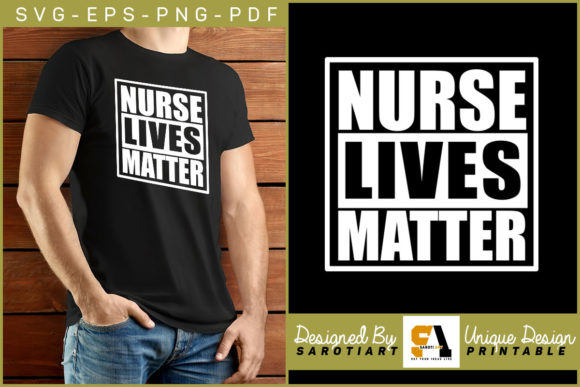
Whenever I pick up a new embroidery file for review, my first question is always practical: how will this actually stitch out? When looking at the Nurse Lives Matter Vector SVG T-shirt design, my initial impression isn't just about the graphic itself, but about the projects it immediately suggests. The design carries a straightforward, respectful, and supportive mood. Its visual personality is clean and declarative, built around clear typography and a central emblem. This isn't a fussy, overly detailed piece; it feels like it belongs on something worn or used with purpose.
Where This Design Naturally Belongs in an Embroidery Portfolio
This isn't a design I'd slot into every project. It has a specific, powerful resonance. For crafters and small business owners, it speaks directly to creating items for healthcare workers, their families, or supporters. In my mind, I immediately picture it stitched onto a heavyweight sweatshirt for a nurse after a long shift, or as a durable patch on a sturdy tote bag used for carrying supplies. It feels appropriate for personalized gifts—think a custom embroidered pillow cover for a nurse’s lounge or a neat, small rendition on the corner of a kitchen towel for a nurse’s home. The theme lends itself to boutique products aimed at a professional community, or to heartfelt holiday gifts showing appreciation.
For apparel decorators, it’s clearly a t-shirt design, but its strength translates well beyond. I’d consider it for a cap, though the curved surface requires careful placement of the text. On an apron, it could make a striking statement. The layout suggests it would work well as a central motif on baby clothes or blankets for a nurse’s newborn, provided the stitch density is adjusted for softer fabrics. In short, it’s a design for projects that carry meaning.
Performance on the Hoop: Thinking Through the Stitch
Moving from the idea to the machine, I think about real-life embroidery situations. On custom apparel like t-shirts and sweatshirts, the design’s bold elements should offer good stitching clarity, provided the satin stitches for the letters are well-defined in the file. For a tote bag, the fill stitches would need to be dense enough to stand up to wear. On something like a baby item or a delicate pillow cover, I’d be cautious—the potential for dense stitch areas could create a stiff, uncomfortable patch on soft textiles.
This is where practical testing is non-negotiable. Always run this embroidery file on scrap fabric first, ideally on both a light and dark background to check thread color contrast. The message is strong, so the execution must be clean to maintain its visual appeal and the perceived value of the finished product. A poorly stitched, frayed version could undermine the respectful intent. For craft business items sold at Etsy or craft fairs, a crisp stitch builds customer trust and presents your handmade work professionally.
Careful Application: The Designer’s Notes for Success
Some applications demand extra attention. If you’re aiming for a small hoop size—perhaps for a subtle gift on a handkerchief or a tiny patch—you must inspect the small details and tiny lettering in the design preview. Will the text remain legible when reduced? On textured fabrics like some sweaters, or stretchy fabrics like polo shirts, a robust stabilizer is your best friend to prevent distortion. Embroidering on dark fabric requires careful thread choice to ensure the design pops without needing an overly dense underlay that might stiffen the garment.
Layered garments with seams, or curved surfaces like caps, present layout challenges. The design’s balance might need adjustment to sit correctly. And for products destined for frequent washing, like kitchen towels or everyday hats, test the stitch integrity. A design with very dense decorative accents might be prone to snagging over time.
How This Design Affects Your Craft Business
Beyond the stitch, using a design like this impacts your broader work. It offers high giftability and recognition, which can drive buyer engagement in your small shop merchandise. For digital product sellers offering printable mockups or the embroidery file itself, it’s a solid commercial design asset for a niche audience. However, it’s crucial to confirm the licensing terms from the creator, “Sarotiart,” before selling any finished items or digital products derived from it. Does it allow for commercial embroidery projects? Always check first.
For brand consistency, if your handmade shop often supports causes or professional groups, this fits seamlessly. It elevates your portfolio from generic motifs to designs with social weight. But it should be used thoughtfully; its meaning is specific, so it won’t fit every brand’s voice.
Final Practical Steps Before You Hoop the Fabric
My final advice mirrors my own process. Don’t just download and run. Review the presumed stitch density in your software preview. Confirm the hoop size you’ll need for your intended product—a large sweatshirt back needs a different approach than a cap front. Test the design in simple black and white mockups to judge its form without color. And most importantly, consider the end user. Who will receive this embroidered tote bag, this custom apparel? How will they react to the message and the craftsmanship? That connection, where a thoughtful design meets flawless execution, is where a good embroidery project becomes a great one.
The Nurse Lives Matter design, from the Crafts and Graphics category, is a tool. Its value is realized not in the digital file, but in how you, the maker, translate it into a tangible, well-crafted product that honors its intent.