Evaluating a Registered Nurse SVG for Real Embroidery Projects
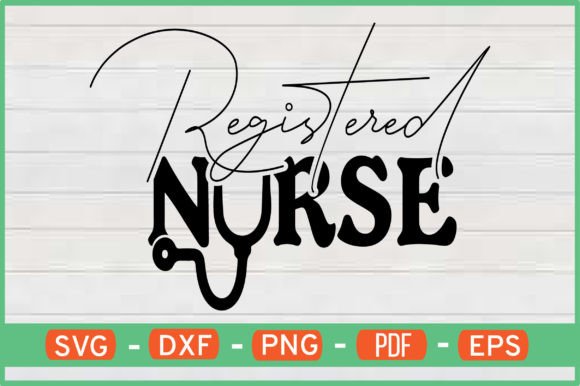
As someone who stitches designs for clients and my own small shop every day, I’m always looking at digital files with a practical eye. The question isn’t just “is it cute?” but “how will this actually perform on fabric?” Today, I’m considering the Registered Nurse T-Shirt_Design Svg from that exact perspective.
The First Impression: Clean, Professional, and Instantly Recognizable
Opening this design, the immediate feeling is one of clear professionalism. The theme is, of course, focused and respectful, with a layout that suggests it’s meant for center-stage placement. This isn’t a busy, cluttered graphic; it has a confident visual personality that would translate well into a stitched piece. For embroidery, that’s a great starting point—it means the core idea will remain strong even after the thread hits the fabric. I’m picturing it on a custom apparel item immediately, like a high-quality polo or a crisp tote bag for a nursing conference.
A Real Scenario: Embroidering Gift Totes for a Nursing Unit
Let’s walk through a real case. Imagine you’re preparing a batch of embroidered tote bags as a thank-you gift for a hospital unit. You need a design that feels appreciative, looks sharp, and stitches cleanly on the bag’s fabric. The Registered Nurse T-Shirt_Design Svg comes into play here. Its straightforward, thematic nature means it will be instantly understood by the recipients. The success of this embroidery project, however, hinges on how the digital design translates into physical stitches.
Performance in Real-Life Embroidery Situations
This design’s strength lies in its likely application range. I’d test it on several substrates. On a sturdy sweatshirt embroidery or a canvas tote, it should hold up beautifully, becoming a durable handmade product. For baby embroidery on a onesie—perhaps for a nurse’s newborn—you’d need to be careful with scale and fabric texture. The design’s potential for embroidered patches is high; a well-made patch on a backpack or cap could be a fantastic personalized gift. For holiday embroidery on an apron or a pillow cover for a nurse’s home, it adds a personal, professional touch.
However, its performance isn’t universal. This is where a designer’s judgment is critical.
Where to Use This Design Carefully
Some applications require extra thought. If you’re considering it for a cap or hat with a curved surface, the layout and lettering need to be tested in a small hoop size to ensure clarity. On thin fabric like a lightweight tee, stitch density becomes a concern; a too-dense fill could cause puckering. On dark fabric, the thread color contrast must be planned meticulously—a white or bright satin stitch for the main elements would be essential for visual pop. For items like kitchen towels or baby clothes that need frequent washing, you’d want to ensure the stabilizer choice and stitch type promote longevity.
How This Design Impacts Your Product and Business
When you stitch a design like this for your craft business, the outcome affects more than just the item. The visual appeal and stitching clarity directly influence perceived product value. A clean, professional embroidery job using this file can boost customer trust and make your handmade presentation feel more polished. For an Etsy seller or someone creating small shop merchandise, that professionalism aids brand consistency.
The giftability and recognition factor here are high. A nurse receiving an item with this design will know exactly what it represents, which enhances emotional value. For commercial embroidery projects, like stitching uniforms or event merchandise, that clear recognition is exactly what clients want.
Practical Notes for the Embroidery Designer
Before you run this file, here’s my standard process for any digital design:
- Always test the design on scrap fabric first. Use the same material you plan for the final product.
- Check thread color contrast by creating simple black and white mockups to see how the silhouette reads.
- Review stitch density in your machine software; adjust if areas look too heavy for delicate fabrics.
- Confirm hoop size compatibility—does the design fit comfortably in your intended hoop without needing excessive resizing?
- Inspect small details and any potential tiny lettering that might get lost in translation from SVG to stitches.
- Test the design concept on both light and dark fabric backgrounds in your mind or software preview.
- Plan for proper stabilizer choice—this is non-negotiable for a clean finish.
- Crucially, check whether the design works for both personal and commercial projects and confirm licensing before selling finished items. The product description states it’s a digital download for personal cutting machines, so verifying the license for commercial use of your embroidered products is an essential step.
The Final Stitch: Where This Design Finds Its Home
The Registered Nurse T-Shirt_Design Svg, from a designer’s viewpoint, feels like a solid, thematic design asset. Its natural home is on products where respect and profession are the focus: custom apparel for nurses, appreciation gifts, boutique merchandise for medical-themed shops, or personalized products for healthcare workers. It’s not a fussy design, which bodes well for embroidery clarity.
Success with it won’t come from the file alone, but from how you, the maker, apply it. Pair it with the right fabric, the thoughtful thread palette, and a solid embroidery technique, and it can become a finished product that truly honors its subject. For creative entrepreneurs and makers serving that niche, it’s a graphic worth considering for your next embroidery project.