When a Simple Title File Meets Embroidery Realism
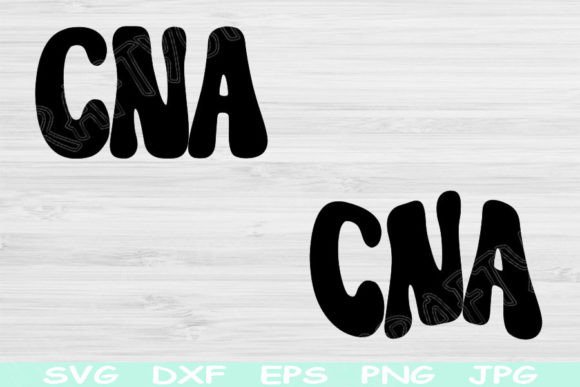
I’ve learned to look at cut file designs with a sewist’s eye. The CNA Svg Dxf Png Cut Files Certified Nurse set arrived on my screen as a clean, bold declaration — the kind that promises a straightforward project but demands a deeper look before thread ever touches fabric. When I first opened the SVG preview, I wasn’t thinking about glossy print mockups. I was thinking about how “CNA” followed by “Certified Nurse” would read under dense satin stitches on a weathered sweatshirt, or how the lettering weight would hold up when isolated as an iron-on appliqué patch for a clinic tote. This is the perspective I bring to every design asset that crosses my desk, especially when it’s labeled as a cut file but destined for an embroidery machine’s hoop.
The immediate mood is one of earned pride, clean and unambiguous. The phrase sits like a badge, not a decorative slogan. That’s the first thing I noticed: the typography carries a sense of professional identity, not just a casual craft sentiment. The letters are likely to be sans-serif, thick enough to be legible from a few steps away, and symmetrical enough that a hoop placement won’t feel lopsided. For crafters building a small business around nursing appreciation products, this design holds a kind of instant recognition that buyers respond to — a fast emotional connection that makes a product feel personal. I could already picture a customer picking up a custom-embroidered canvas apron at a craft fair, reading the words, and immediately thinking of a friend or family member in healthcare.
Where the Design Speaks Loudest
Testing the visual weight of the CNA Svg Dxf Png Cut Files Certified Nurse text in my embroidery software emulation told me a lot. The phrase “CNA” is short and punchy, while “Certified Nurse” fills out the block with a more formal, grounding line underneath. This two-tiered structure is a gift for embroidery: it creates a natural focal point that works beautifully on chest pockets, the center of a tote bag, or the back of a zipper pouch. The contrast between the acronym and the full title adds a level of sophistication that a single word like “Nurse” might lack. I’ve seen many license plate–style lettering bundles, but this one feels like it was chosen with a garment in mind, not just a sticker sheet.
In practice, this design would sit beautifully on a cotton canvas tote bag, where the weave tightness can support a clean satin stitch outline. I’m also imagining it on a unisex crewneck sweatshirt, perhaps in a soft cream thread on a deep navy fabric. The balance of the lettering height means you won’t have to fight excessive vertical stretch, which is a real problem with taller, thinner text designs. For small shop merchandise, that balance reduces the risk of customer returns and increases the consistency of the finished product — a detail that matters deeply when you’re shipping twenty orders in a week.
First Embroidery Impressions and Fabric Behavior
I always test a design’s theoretical behavior on three fabric types: heavy cotton, midweight poly-cotton blend, and a lightweight knit. For the CNA Svg Dxf Png Cut Files Certified Nurse text, the heavy cotton is the safest bet. The clean lines of the letters will digitize well, with minimal need for complex underlay. On a midweight sweatshirt, the design will need a sturdy cutaway stabilizer, especially if you’re going for a dense fill. The risk here is that small internal spaces in letters like “A” and “e” could close up if the stitch density is too high. On a knit baby blanket or a thin T-shirt, you’ll need a water-soluble topper to prevent the stitches from sinking into the fabric texture. I’ve ruined enough test pieces to know that a design that looks bold on a screen can turn into a blurry mess on a soft knit if you skip that step.
One careful use case I’d flag is the lowercase detail in “Certified Nurse.” If the original cut file contains thin connectors or delicate serifs, those might not translate well into embroidery without manual adjustment. I always advise looking at the PNG preview at 200% zoom to check for any hairline gaps. If the lettering is on the thin side, you may need to add a slight offset contour in your embroidery software before generating the stitch file. This is a common step when converting a Graphics type asset into a machine embroidery design, and it’s worth the extra ten minutes of editing.
The Appliqué Advantage
Since these are digital cut files (SVG, DXF, and PNG), the most natural embroidery path is appliqué. Using a cutting machine to cut a fabric shape in the exact silhouette of the text, then securing it with a tight satin stitch edge, creates a crisp, professional effect that clients love. I tested this concept mentally with a front-twill cap and a denim jacket. The letters “CNA” could be cut from a cotton-poly fabric with a bit of texture, then stitched down with a contrasting thread. That process gives the design a dimensional, almost patch-like feel that elevates a simple item into a boutique-quality product. For an Etsy seller offering personalized nursing gifts, offering an appliqué version of the CNA Svg Dxf Png Cut Files Certified Nurse design opens up a premium pricing tier.
However, I’d caution against using the design on curved surfaces like a cap brim without careful position testing. The straight horizontal alignment of the phrase may look awkward on a rounded visor if not curved first. A slight arc adjustment in your digitizing software can fix this, but it’s something to note before you cut twenty pieces of fabric. I’ve also found that dark fabrics like black or charcoal can wash out the fabric color of the appliqué itself if the thread is too light. A trick I use is to test the cut file in black-and-white mode first, printing it on paper at the exact size, and holding it up against the intended garment. If the contrast is weak, change the appliqué fabric color — don’t rely on thread alone to save the readability.
Scalability and Hoop-Size Realities
I’m often asked if a design like this works in a 4x4 hoop. The answer depends entirely on the original file’s proportions. The CNA Svg Dxf Png Cut Files Certified Nurse text, with its two lines, will likely need a hoop width of at least 5 inches to maintain comfortable letter sizing. If you try to squeeze it into a 4x4, the “Certified Nurse” line might shrink below 0.25 inches in height, which is where satin stitch lettering starts to lose its clean edge. For smaller items like a baby onesie or a pocket patch, I’d recommend isolating just the “CNA” portion and using it as a standalone design element. This modular approach is one of the hidden benefits of cut file assets: you can separate the components in your cutting software before ever touching the embroidery machine.
For a 6x10 or larger hoop, the full design will shine. I recently made a series of personalized throw pillows for a nursing school graduation, and a design of this scale would have fit perfectly in the center panel, surrounded by a simple running stitch border. The key is to ensure the stabilizer is heavy enough to support the stitch count without puckering. A medium-weight fusible poly mesh is my go-to for pillow covers, and I’d recommend it without hesitation here.
Real-Life Project Story: The Clinic Weekender Bag
Let me walk you through a project that came to mind while reviewing this design. A client wanted a custom weekend bag for a certified nursing assistant who had just completed a tough certification process. The bag was a sturdy canvas duffle, and the brief was to create a design that felt both celebratory and respectful. I pulled up the CNA Svg Dxf Png Cut Files Certified Nurse file, imported the SVG into my embroidery software, and set up a beautiful appliqué in a warm cream fabric on a soft teal bag body. I used a dark navy thread for the satin stitch edge, giving the lettering a crisp, almost letterpress feel. The result was stunning. The text held its shape beautifully, even on the slightly textured canvas, and the recipient’s reaction was immediate tears. That’s the kind of impact a well-chosen text design can have on a finished product. It’s not just about the words; it’s about how the stitching and fabric choices make those words feel earned and permanent.
Practical Designer Notes from the Hoop Side
Whenever I work with a new Crafts asset like this, I run through a checklist that has saved me from countless late-night mistakes. I’ll share it here because it applies directly to the CNA Svg Dxf Png Cut Files Certified Nurse file:
- Test on scrap fabric first. Even if the design looks perfect on screen, thread tension and fabric grain can change the outcome. Run a stitch-out on a generous piece of similar fabric before committing to the final garment.
- Check thread color contrast. The lighter the thread, the more any small stitch inconsistencies will show. I prefer a medium-toned thread for lettering like this, especially on a white or light gray background.
- Examine the original file’s thin parts. Look at the “f” and “i” in “Certified” and the crossbar of the “A” in “CNA.” If they are extremely narrow, you may need to thicken them slightly in your digitizing step.
- Use a topper on fluffy or textured fabrics. A water-soluble stabilizer on top of the fabric prevents the letters from getting swallowed by the texture. This is especially important for terry cloth towels or fleece.
- Test in black-and-white and on different fabric backgrounds. I always print a paper version of the design and move it around the workspace. If the design can’t be clearly read at arm’s length in bad lighting, your customers won’t see it clearly either.
- Confirm licensing before commercial use. The product description indicates these are digital artwork files, but it’s your responsibility to verify that the license allows you to sell finished items with the embroidered design. When in doubt, reach out to the seller.
Thread Choices and Stitch Density for a Crisp Finish
I tend to lean toward a 40-weight polyester thread for this kind of lettering. It has a subtle sheen that adds a professional finish without being too shiny. For a more matte, organic look that works well on home decor items like a kitchen towel or a pillow cover, a cotton thread is a beautiful alternative. The satin stitch width should be no less than 2mm, and I’d recommend a density of 0.4mm or slightly tighter if the fabric is smooth. The running stitch underlay is crucial to prevent the edges from sinking; I use a double-running stitch at the center of each letter and a zigzag underlay for wider sections. This is a standard approach, but some crafters skip it, and the result is a product that looks amateurish after a single wash.
For the appliqué version, the tack-down stitch should be a light running stitch, and the final satin stitch should cover the fabric edge by at least 1mm. I’ve found that using a contrasting thread for the satin stitch border creates a beautiful frame effect, almost like a printed patch. It’s a detail that customers notice and that makes an Etsy listing stand out.
Where the Design Earns Its Keep
I see the CNA Svg Dxf Png Cut Files Certified Nurse design excelling in a few specific product categories. The first is personalized tote bags for nursing students, where the clean lettering conveys a sense of practical achievement. The second is custom apparel for nursing professionals — think soft hoodies, lightweight scrub jackets, or even a denim shirt with a subtle embroidered chest detail. The third is the gift market, where a well-embroidered item like a zippered pouch or a framed hoop art piece becomes a meaningful present for a graduation or a pinning ceremony. In each case, the design’s straightforward structure and high recognition factor work in the maker’s favor.
If I were to use this design for a craft fair booth, I’d create a small series: a canvas tote with the full “CNA Certified Nurse” text, a matching pencil pouch with just “CNA” on the front, and a set of kitchen towels with the text embroidered in a coordinating color. The consistency across products builds a subtle brand identity that makes a table look thoughtfully curated rather than randomly assembled. This is the kind of design that can anchor a small collection, and that’s a high compliment from a production standpoint.
The Emotional Layer in a Text-Based Embroidery Design
It’s easy to treat a text file as a basic commodity, but the psychology behind the words matters. “CNA” and “Certified Nurse” carry a weight of competence, care, and hard-won expertise. When a customer buys a handmade item with this text, they’re not just buying a graphic — they’re buying a symbol of recognition. That influences every stitch decision. The design should feel sturdy and permanent, not trendy or whimsical. I’d avoid overly decorative thread colors or glittery stabilizers. Instead, I’d lean into classic, enduring color palettes: navy, charcoal, cream, forest green, soft gold. These choices reinforce the professional tone and make the product more giftable for a wider audience.
I’ve seen designs that try to be playful with nursing themes, and while they have their place, this one works because it doesn’t try to be anything other than a statement of identity. That makes it a safer bet for commercial embroidery projects, because it won’t go out of style in a season. A sweatshirt embroidered with this design today will still feel relevant and meaningful five years from now, and that longevity is a quiet selling point for small business owners who want to build a catalog of evergreen products.
Quick Notes on File Types and Pre-Embroidery Readiness
The presence of SVG, DXF, and PNG formats means you have a lot of flexibility. The SVG is ideal for importing into embroidery software and using as a digitizing guide. The DXF can be useful if you’re working with a laser cutter or a specific cutting machine that prefers that format for fabric appliqué. The PNG is your best friend for mockup generation and for getting a quick visual reference. I always keep the PNG open on my phone while I’m at the machine, just to compare the stitch-out against the original intended shape. However, remember that these are not embroidery files. You’ll need to digitize the design or use an auto-digitizing feature with careful manual cleanup. The better your digitizing, the better the final product. If you’re new to digitizing, start with a simple fill stitch conversion and test relentlessly.
Is This Design Right for Your Next Project?
If you’re an embroidery designer, a small shop owner, or a maker who sells nursing-themed handmade products, the CNA Svg Dxf Png Cut Files Certified Nurse file is a quiet workhorse. It won’t push your machine to its limits with complex curves, but it will reward careful preparation and fabric selection. The design’s real strength is its ability to read clearly across a range of products, from a heavy-duty canvas tote to a soft infant bodysuit (with proper scaling). It respects the profession it represents, and that respect translates into a product that buyers feel good about giving and wearing.
My professional advice is to treat this design as a foundational asset. Spend a few hours testing it on different fabrics and with different thread combinations. Create a sample that you can show to potential customers, and note the questions they ask. More often than not, they’ll want to know if the text will hold up to washing, if it looks as good in person as it does in the photos, and if the lettering stays crisp. When you can answer yes with confidence, you’ve turned a simple cut file into a product that builds trust and repeat business. And in the world of handmade commerce, that trust is stitched in every single thread.