An Embroidery Designer’s Review: One Lucky Nurse SVG
When you’re looking for a design to embroider for a client, a craft fair, or your shop, the first question isn’t just if it’s cute—it’s if it’ll work. I’m looking at the One Lucky Nurse St Patrick’s Day SVG with that exact mindset. It’s a graphics file destined for a needle and thread, and my job is to picture it stitched out, on real fabric, in someone’s hands.
The Immediate Mood: Celebratory & Appreciative
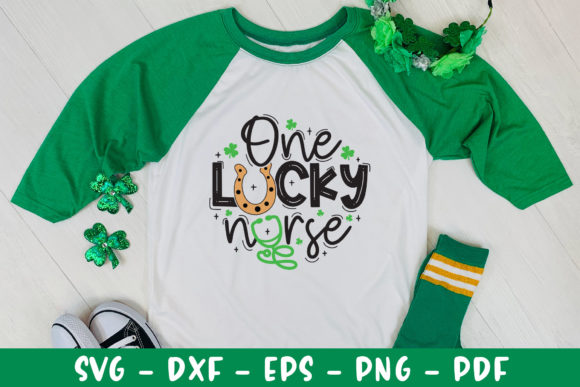
The first impression is straightforward warmth. It’s a celebratory nod, perfect for that early March rush when nurses, healthcare workers, and their friends are looking for a little festive recognition. The theme isn’t overly complex; it leans on a clear, appreciative sentiment. The layout likely balances the text and emblematic elements in a way that feels designed for a center placement—think the chest of a sweatshirt or the front of a tote bag. The personality is friendly and direct, which is exactly what you want for a holiday gift or a personalized product. It doesn’t scream generic holiday decor; it speaks to a specific person, which is a powerful starting point for any handmade product.
Where This Design Naturally Belongs
In my mind, I’m already seeing it stitched onto a soft, heather gray crewneck sweatshirt. It’s a classic gift for a nurse friend. But its utility goes wider. A crisp white apron for a clinic’s St. Patrick’s Day potluck. A durable cotton tote bag for a healthcare student. Even a simple, sweet patch sewn onto a nurse’s favorite work bag. The design’s scale and likely detail level suggest it’s versatile enough for apparel, but also for those smaller, cherished items like a tea towel in a kitchen or a pillow cover in a break room. For small business owners and Etsy sellers, this is a design that fills a niche—holiday-specific appreciation gifts—which can be a strong category at craft fairs and in boutique shops.
Performance in Real Stitching Situations
Let’s move from the idea to the hoop. As an embroidery file, the One Lucky Nurse SVG comes in two versions, including black. This is a practical advantage. The black version gives you immediate contrast for lighter fabrics—think white polo shirts, light gray baby blankets, or pale linen kitchen towels. The other version, presumably with color elements, opens up playful options. For a cheerful baby item or nursery decor gift, you could use bright greens and golds.
The real test is on different surfaces. On a standard cotton tote, the fill stitches will lay flat and clean. On a stretchy sweatshirt fleece, you’ll need a good stabilizer to prevent puckering, especially around any satin stitch lettering. A curved surface like a cap requires careful positioning; if the design has very wide elements, it might need scaling. The mention that it’s perfect for t-shirts, mugs, and signs from the product description tells me the design is built for a medium scale, not miniature detail. That’s good news for clarity in embroidery. Tiny, dense lettering can get muddy with thread; a design meant for apparel typically has cleaner, more open areas.
Where to Exercise a Bit of Caution
Every design has its sweet spot and its careful zones. For this one, I’d be mindful on very textured fabrics, like a thick boucle blanket, where fine details might get lost. Also, on dark fabrics if you’re using the non-black version—thread color contrast is king. You might need to adjust your palette or opt for the black design file. Small hoop sizes could be a constraint if the design is inherently wide; always check the actual dimensions before loading the file. And for products destined for frequent washing—like work scrubs or daily-use aprons—a robust stitch density and secure stitching technique will ensure the design holds up, building customer trust in your handmade product.
How It Lifts Your Finished Product
A design like this isn’t just a pattern; it’s a value-add. For a creative entrepreneur, it contributes directly to visual appeal and giftability. A clean, well-executed embroidery of this theme on a nice sweatshirt feels professional and thoughtful—far beyond a printed graphic. It elevates the presentation, supporting brand consistency for a shop that specializes in personalized healthcare gifts or holiday apparel. For customer engagement, it taps into a specific community feeling (nursing) blended with a universal holiday (St. Patrick’s Day), which can be a powerful combo for buyer recognition and connection.
Practical Notes Before You Stitch
My standard advice for any embroidery project, especially using a new design file like this one, is to run a test. Stitch it out on a scrap of the actual fabric you plan to use. This reveals everything: how the satin stitches behave, if any fill stitch areas are too dense for the material, whether the hoop size you’ve chosen is adequate. Check the small details—are there any overly tight corners that might bunch? Compare how it looks on both light and dark fabric backgrounds by creating simple black and white mockups first. This saves thread and time.
Since the product description states it can be used for various purposes, but doesn’t specify license details, a crucial step for commercial embroidery is to confirm the licensing terms before selling finished items. As a digital product seller or small shop owner, you need to know if you can freely use this design for commercial projects, or if there are limitations. Always verify this directly from the source.
Finally, think about the end product holistically. The One Lucky Nurse St Patrick’s Day SVG feels like a design that would shine on a medium to large canvas. A well-made tote bag, a cozy hoodie, a statement patch. It has the personality to be a standout holiday gift or a popular item in a craft business lineup focused on appreciation and celebration. With careful setup, proper stabilizer choice, and attention to fabric compatibility, it can transform from a graphics file into a really lovely, stitch-perfect finished product.