An American Nurse Design Fit for Patriotic Projects
First Look: A Clear, Classic Design Ready for Stitching
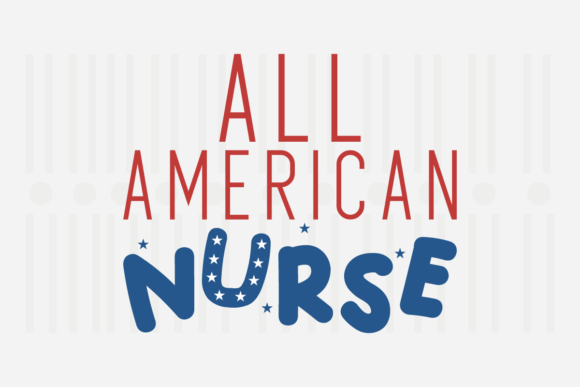
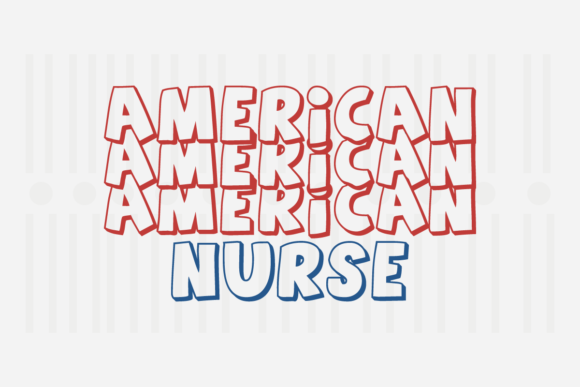
Opening the American Nurse,4th of July SVG, my first impression is one of straightforward patriotism. The design feels clear and purpose-built. It’s not overly ornate or crowded, which is a significant advantage for us as embroidery designers. A cluttered layout can become a muddy, dense stitch area, but this one promises clean separation between elements. The mood is respectful and celebratory, blending professional pride with holiday spirit. It’s a graphic that immediately suggests its best home: projects meant to honor caregivers during Independence Day celebrations, from custom apparel to heartfelt gifts.
The Natural Project Fit: Where This Embroidery File Belongs
In my mind, I’m already picturing it stitched onto a navy blue sweatshirt for a nurse, or as a small, proud patch on a canvas tote bag. The layout and detail level feel perfect for mid-sized applications. I wouldn’t push it onto a tiny baby bib corner—the elements need space to breathe and maintain stitching clarity. Instead, think of a crisp pillow cover for a nurse’s lounge, a durable apron for a holiday barbecue, or the centerpiece of a kitchen towel set. For small business merchandise, this design becomes a custom apparel staple around July, ideal for Etsy sellers targeting the healthcare community with holiday embroidery.
Real-Life Embroidery Performance: Thinking It Through
Let’s walk through a real scenario. Imagine I’ve received a request for a custom embroidered tote bag as a gift for a nursing team leader. I’m considering this American Nurse design. The fact that the source files include EPS and SVG at 300dpi is promising for scaling to the right hoop size without losing definition. However, the description notes it’s “100 Color Changeable.” For embroidery, this translates to easy thread color scheme adjustments in the software before stitching. I can envision a classic red, white, and blue scheme, but perhaps for a softer look on a light linen bag, using navy and silver thread instead. This flexibility is crucial for matching brand colors or personalizing gifts.
On thicker fabrics like sweatshirt material or canvas totes, the design should hold up well with proper stabilizer. On curved surfaces like caps, I’d be cautious. The design’s likely corners and lettering would need careful hooping and possibly adjustment to avoid distortion. For dark fabric backgrounds, I’d test the stitch density in a mockup first—if the fill stitches are too light, the design might get lost. Always, always run a test on scrap fabric of the same type you’ll use for the final product.
Where to Use with Extra Care
Some applications demand a second thought. Stretchy fabrics like t-shirts require excellent stabilizer to keep the satin stitches clean, especially on any lettering. If the design has tiny decorative accents, they might vanish or become prickly on textured fabrics like certain blankets. For products needing frequent washing, like tea towels or aprons, a robust, dense stitch execution will ensure longevity. I would avoid very small hoop sizes; give this graphic the space it deserves to maintain its visual appeal and professional presentation.
Impact on Your Craft Business and Customer Trust
Using a well-executed design like this affects everything downstream. When a handmade product features crisp, clear embroidery, it boosts perceived value and customer trust. A nurse receiving a gift with this design, neatly stitched, feels the thoughtfulness and quality. For an Etsy seller or small shop owner, consistency in your embroidery output—using reliable, scalable files—builds your brand’s reputation. This design, with its clear theme, has high “giftability” and recognition, making it a strong candidate for holiday gift listings or boutique merchandise around patriotic holidays.
For commercial embroidery projects, the included source files are essential. However, a critical note: the product description doesn’t specify license terms. Before selling any finished items using this graphic, you must confirm the licensing. Is it for personal use only, or does it allow commercial use of the embroidered products? Never assume. This step protects your craft business and ensures professionalism.
Practical Designer Notes Before You Hoop
My routine before committing any design to a client’s project applies here too. First, check thread color contrast. Create black and white mockups to see how the shapes hold up without color. Compare how it looks on light and dark fabric backgrounds digitally. Review the stitch density in your embroidery software once the file is converted; an overly dense design can be stiff and uncomfortable on apparel. Inspect the small details. Does the “American Nurse” text or any accompanying lettering have sufficient space for clean running stitches or satin stitches? Confirm your hoop size can accommodate the design at the size you want. These steps turn a good digital embroidery file into a great finished product.
The Final Stitch: A Design Ready for Purposeful Projects
The American Nurse,4th of July SVG strikes me as a practical design asset. It’s not flashy, but it’s built for purpose. Its strength is in its adaptable, clear composition suitable for mid-scale embroidery projects that require a patriotic, professional tone. It naturally fits into the worlds of personalized gifts, custom apparel, and small shop products celebrating American heroes. For embroidery designers and creative entrepreneurs, it’s a solid graphic to have in your library for that specific seasonal need. Just remember the golden rules: test on your actual fabric, verify the licensing, and let the clean, classic design do its respectful work on your next handmade project.