A Designer's Review of "My Favorite Nurse Calls Me Grandma"
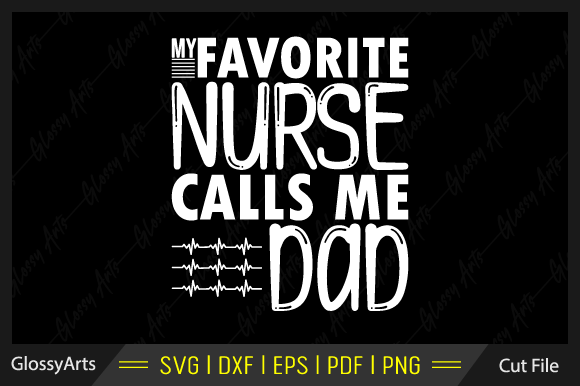
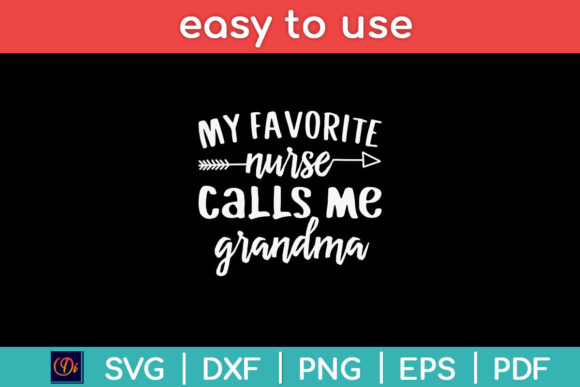
When I open a new embroidery design for review, my first thought is always about its real project potential. I’m not just looking at a file; I’m envisioning how it will stitch out on fabric, how it will feel as a finished product, and whether it will resonate with a client or a customer. The "My Favorite Nurse Calls Me Grandma" SVG file, categorized in Crafts and Graphics, immediately presents a warm, personal, and deeply sentimental mood. The core theme is clear and powerful: a celebration of a specific, cherished relationship.
The Immediate Emotional Pull of This Design
From a designer’s perspective, the visual personality here is all about heartfelt connection. The wording isn’t generic; it’s intimate. This isn’t just "Nurse"; it’s "My Favorite Nurse." And it’s not just "Grandma"; it’s the name she’s called by. That specificity is its greatest strength. For embroidery, this means the design will carry a powerful narrative before any stitch is even placed. I imagine it embroidered on a custom tote bag for a grandmother who visits her grandchild in the hospital, or as a centerpiece on a soft baby blanket meant for a nursery. The layout, assuming a clean text-based or possibly illustrated format common in these SVG files, suggests a design that can be scaled for different hoop sizes without losing its message.
Where This Design Shines in Embroidery Projects
In practical application, this design belongs to a category of projects that are more about emotional value than pure ornamentation. It’s perfect for personalized gifts with a story. Think beyond the obvious t-shirt. I’ve considered it for:
- A beautifully stitched apron for a nurse who is also a doting grandma.
- A simple, elegant patch on a canvas cap, creating a subtle, personal statement.
- The focal point on a pillow cover for a family room, a constant reminder of that special bond.
- Embroidered on a kitchen towel or tea towel, turning a daily item into a cherished keepsake.
- As a boutique product for a small shop specializing in family-themed apparel or nursery decor.
The design’s appeal translates directly into product value and giftability. A customer isn’t buying just a sweatshirt; they’re buying a meaningful declaration. For an Etsy seller or creative entrepreneur, this enhances buyer engagement because the product speaks to a very specific, tender moment in life.
Practical Considerations for Stitching It Out
Embroidery is where a digital file meets physical reality. The success of "My Favorite Nurse Calls Me Grandma" on a finished product depends entirely on execution. Here’s how I approach it from the machine embroidery side.
First, the stitch clarity of any lettering or elements is paramount. If the design includes small script or detailed corners, I would advise testing on scrap fabric first, especially if planning to use it on textured fabrics like sweater knits or on stretchy fabrics for baby clothes. Proper stabilizer is non-negotiable here to preserve the design’s integrity.
I always check thread color contrast. This message deserves to be read clearly. On a dark fabric like navy or black, a bright, crisp thread color—perhaps a clean white or a soft pastel—would make the sentiment pop. On light fabrics, a richer tone might add warmth. Running a simple black and white mockup in your software can help visualize the contrast without committing to thread.
Scenarios That Demand Extra Attention
Not every project base is ideal. Some applications require careful thought:
- Small hoop sizes: If you want to miniaturize this for a baby bib or a small patch, inspect the small details. Tiny lettering can become dense and muddy if the stitch density isn’t adjusted.
- Curved surfaces like caps: The design’s layout must be adapted for the curvature. A long, horizontal text might need to be broken or rearranged.
- Products needing frequent washing: For items like kitchen towels or everyday apparel, a robust satin stitch or a well-executed fill stitch will ensure longevity. Avoid overly delicate, thin running stitches for such items.
- Dark fabric backgrounds: As mentioned, contrast is key, but also consider potential shadowing from dense stitch areas. A test stitch-out is your best friend.
These considerations aren’t flaws of the design; they are the standard professional checks any embroidery designer makes to guarantee a professional finished product that builds customer trust.
Turning a Graphic Into a Commercial Asset
For the small business owner, the craft fair vendor, or the digital product seller, this SVG file is more than a project; it’s a design asset. Its commercial potential is tied to its niche emotional resonance. It could anchor a whole line of "family hero" products in a handmade shop. When used in commercial embroidery projects, such as creating a series of embroidered sweatshirts for a local boutique, it adds a layer of handmade presentation that mass-produced items lack.
However, a crucial, non-design note: always confirm the licensing before selling finished items or digital products derived from the file. The product description notes it's a cut file for Cricut and Silhouette, but the terms for commercial use of embroidered items made from the design must be verified. This protects your business and ensures brand consistency in your practices.
In my final assessment, "My Favorite Nurse Calls Me Grandma" is a design with a clear and powerful purpose. It’s not a generic graphic; it’s a specific story waiting to be stitched. Its value in embroidery lies in its ability to transform a simple piece of fabric—a tote bag, a pillow, a child’s garment—into a tangible expression of love and recognition. For the designer or maker, it provides a wonderful canvas to apply your skill, resulting in a product that feels authentic, personal, and genuinely meaningful.